
Estate planning and probate across North Carolina
North Carolina Estate Planning Attorneys
Protect what you have built and the people you love, with a plan built around your family.
A thoughtful estate plan gives your family clear direction, protects the people and property that matter to you, and helps prepare for the unexpected. McIlveen Family Law Firm helps North Carolina individuals, families and business owners create practical plans for the future.
An Estate Plan Built Around Your Life
Estate planning is not only about deciding what happens after death. It also addresses who may make financial and health-care decisions if you become unable to act, how minor children or other vulnerable loved ones will be protected, and how your assets should be managed and distributed.
Our attorneys take the time to understand your family, finances, goals and concerns before recommending documents or strategies. We explain your options in plain language so you can make informed decisions with confidence.
How We Help
Wills and Trusts
Direct how assets should pass, select trusted decision-makers, plan for minor children and evaluate whether a trust fits your goals.
Essential Planning Documents
Prepare durable financial powers of attorney, health-care powers of attorney, advance directives and related documents for incapacity planning.
Probate and Estate Administration
Help executors, administrators and families understand court requirements, estate responsibilities and the steps involved after a death.
Plans for Parents
Address guardianship nominations, asset management and inheritance planning for children and other dependents.
Blended Families
Coordinate planning for spouses, children from prior relationships and property with competing or complex family interests.
Business and Legacy Planning
Consider ownership interests, succession goals and the coordination of business assets with your broader estate plan.
Who Should Consider Estate Planning?
- Parents of minor children
- Individuals buying a home
- Business owners and professionals
- Families with significant or complex assets
- People in blended families
- Anyone concerned about incapacity
- Adults caring for aging parents
- Executors or administrators handling an estate
Estate planning is useful at every asset level. The right plan may be straightforward or more detailed, depending on your family and financial circumstances.
Why Work With McIlveen Family Law Firm?
Estate plans do not exist in isolation from family relationships. Our firm’s deep experience with North Carolina family law gives us a valuable perspective when planning for marriage, divorce, children, blended families, guardianship concerns and changing family circumstances.
With offices in Gastonia, Charlotte and Raleigh, we serve clients across North Carolina through in-person, telephone and virtual consultations.
What a Complete North Carolina Estate Planning Package Includes
Most families need a small set of documents that work together. Which ones, and how detailed, depends on your assets, your family and your goals.
- Last will and testament: names an executor, directs who inherits, and nominates guardians for minor children
- Revocable living trust (when appropriate): avoids probate, plans for incapacity, and controls how and when beneficiaries receive property
- Durable financial power of attorney: lets someone you trust manage money and property if you cannot
- Health care power of attorney and living will: names a medical decision-maker and records your wishes about life-prolonging treatment
- HIPAA authorization: lets family members talk with your doctors
- Beneficiary designation review: retirement accounts, life insurance and payable-on-death accounts pass outside your will and must match the plan
- Guardianship nominations and letters of intent for minor children or a family member with special needs
How the Estate Planning Process Works With Us
- Initial consultation. We learn about your family, your assets, your concerns and what you want to happen. You leave with a recommendation and a quoted retainer.
- Design. We map out who serves in each role, how assets should pass, and any protections needed for a child, a spouse from a second marriage, a family business or a beneficiary who struggles with money.
- Drafting and review. You receive drafts in plain English with an explanation of each provision, and we revise until the plan says what you mean.
- Signing. We supervise execution with the notary and witnesses North Carolina law requires, so the documents will be honored by banks, hospitals and the Clerk of Court.
- Funding and follow-through. For trust-based plans we handle deeds and account retitling. For every plan we provide a summary, a document checklist and guidance on where originals should be kept.
- Periodic review. We recommend a review every three to five years and after any major life event, including marriage, divorce, a birth, a death, a move or a significant change in assets.
Estate Planning and Family Law Go Together
Many estate planning problems begin as family law events. A separation that is never finalized leaves a spouse with inheritance rights. A divorce judgment changes the will but not the beneficiary form on a 401(k). A remarriage without a prenuptial agreement gives a new spouse a claim to an estate meant for children. A grandparent raising a grandchild has no legal authority without guardianship or a custody order.
Because we practice both, we see these intersections before they become disputes. If you are going through a divorce, negotiating a separation agreement, planning a second marriage or caring for an aging parent, your estate plan should be part of the conversation, and we can handle both sides of it under one roof.
Common Estate Planning Mistakes We See
- Relying on an out-of-state will or an online form that does not meet North Carolina’s will execution requirements
- Creating a trust but never retitling assets into it, so the estate goes through probate anyway
- Leaving a former spouse as beneficiary on life insurance or retirement accounts
- Naming minor children directly as beneficiaries, which forces a court-supervised guardianship of the funds
- Leaving an inheritance outright to a child receiving disability benefits, which can end their eligibility
- Having no power of attorney, so a stroke or diagnosis leads straight to a guardianship proceeding
- Never telling the executor or agent where the documents are
What Our Clients Say
“Jennifer Palmer and her team were excellent. My mom and I went to get her Will in order. We didn’t know the process, the correct questions to ask but Mrs. Palmer was very patient with us.”
— Terri, former client ★★★★★
Estate Planning at Every Stage of Life
New Parents and Young Families
The priority is naming a guardian for your children and making sure life insurance and other assets are held in trust for them rather than paid outright at 18. A will, powers of attorney and beneficiary designations cover most young families.
Blended Families and Second Marriages
North Carolina gives a surviving spouse an elective share and a year’s allowance regardless of what a will says. A trust and, often, a prenuptial agreement are how you provide for a new spouse while protecting children from a prior marriage.
Business Owners
A plan for who runs and who owns the business if you die or become disabled, coordinated with your operating agreement or buy-sell agreement, so the company does not stall in probate.
Retirees and Aging Parents
Durable powers of attorney, health care directives, and a review of how retirement accounts and the home will pass. Where long-term care is a concern, we discuss whether asset protection planning makes sense and how early it must start.
Adults Turning 18
Once a child is a legal adult, parents lose automatic access to medical and financial information. A simple health care power of attorney and HIPAA release let you help in an emergency. See what changes at 18.
After Separation or Divorce
Every document that names a former spouse should be reviewed, including trusts, powers of attorney and beneficiary forms that divorce does not automatically revoke. We coordinate this with your divorce or separation agreement. If you are resolving a divorce outside the public court file, see private resolution.
What Happens in North Carolina If You Have No Estate Plan
Without a will, Chapter 29 of the General Statutes decides who inherits. The formula surprises many families. A surviving spouse does not automatically receive everything: with one child, the spouse and child split the estate; with two or more children, the spouse receives one-third of personal property and children share the rest. Children from a prior relationship inherit alongside a current spouse. Unmarried partners and stepchildren receive nothing.
Without powers of attorney, incapacity leads to a court guardianship proceeding. Without a named guardian for minor children, a judge chooses one. And without beneficiary designations that match the plan, retirement accounts and life insurance pass to whoever was last named on the form, which is often an ex-spouse or a deceased parent. Our article on whether you really need an estate plan walks through these outcomes in more detail.
A Family Law Firm’s Approach to Estate Planning
Most estate planning firms never see the inside of a divorce courtroom. We do, every week, and it changes how we draft. We have watched separation agreements collide with old wills, seen beneficiary forms override a carefully written trust, and helped grandparents who had no legal authority over the grandchildren they were raising. Those experiences are built into every plan we prepare.
Our estate planning team works alongside our family law attorneys, so a client going through a separation, planning a second marriage or caring for an aging parent can handle both sides of the problem in one place.
Estate Planning Attorneys in Gastonia, Charlotte and Raleigh
We prepare estate plans for clients across North Carolina from three offices, and we meet by phone or video when that is easier. Signing appointments are handled in person so witnesses and a notary are present and your documents are valid the day you leave.
Related Reading From Our Attorneys
North Carolina Estate Planning FAQs
Do I need an estate plan if I do not consider myself wealthy?
Yes. An estate plan can identify who should receive your property, nominate guardians for minor children and authorize trusted people to make financial or health-care decisions if you cannot act for yourself.
What is the difference between a will and a trust?
A will directs the distribution of probate assets and may nominate guardians and an executor. A trust holds and manages property under its terms and may serve different privacy, management or family goals. The right choice depends on your circumstances. Read our will-and-trust overview.
When should I update my estate plan?
Review it after major changes such as marriage, divorce, birth or adoption, relocation, death of a beneficiary or decision-maker, a substantial change in assets, or the purchase or sale of a business.
What happens if someone dies without a will in North Carolina?
North Carolina intestacy law generally determines who receives probate property. The result may differ from what the person would have chosen, which is one reason to create a valid plan in advance.
Can your firm help with probate after a death?
We help families and personal representatives understand estate-administration responsibilities and determine the appropriate next steps based on the estate’s circumstances.
How much does an estate plan cost in North Carolina?
Estate planning is billed hourly. After an initial consultation, we quote a retainer based on the plan you need. A will-based plan with powers of attorney and a health care directive costs less than a trust-based plan, and both are modest compared with the cost of probate disputes or a guardianship proceeding that good planning prevents.
Does my estate plan change when I get divorced?
Partly on its own, mostly not. North Carolina law revokes will provisions for a former spouse after divorce, but trusts, powers of attorney, retirement beneficiary designations and life insurance often still name your ex. During and after a divorce or separation, we review every document together so nothing is left pointing to the wrong person.
Can I protect my children’s inheritance if I remarry?
Yes. A trust can provide for a new spouse during their lifetime while guaranteeing the remainder passes to your children, and a prenuptial agreement can waive the elective share a surviving spouse would otherwise be able to claim. Our article on protecting your child’s inheritance covers the common mistakes.
Do you offer virtual estate planning appointments?
Yes. We meet clients in person in Gastonia, Charlotte and Raleigh and by phone or video across North Carolina. Documents must be signed in front of a notary and, for some, witnesses, and we coordinate the signing so it is done correctly.
How often should I update my estate plan?
Review it every three to five years and after any major life event: marriage, separation or divorce, a birth or adoption, a death in the family, a move to or from North Carolina, buying or selling a business, or a significant change in assets. Laws change too; plans written before 2013 often contain tax provisions that no longer serve a purpose.
Can I use an online will or estate planning software?
You can, and for some people it is better than nothing. The problems we see are execution errors that make the document invalid in North Carolina, provisions that do not fit state law, and no one to catch a beneficiary form that contradicts the will. If you have children, real estate, a business or a blended family, a short consultation is worth the cost.
What documents should I bring to an estate planning consultation?
A list of your assets and roughly what they are worth, recent statements for retirement accounts and life insurance showing the named beneficiaries, deeds to any real estate, any existing will, trust or power of attorney, and the names and addresses of the people you want to name as executor, agent, trustee and guardian. We send a short worksheet before the meeting to make this easy.
Start Planning With Confidence
Talk with our team about an estate plan designed for your family, assets and goals.

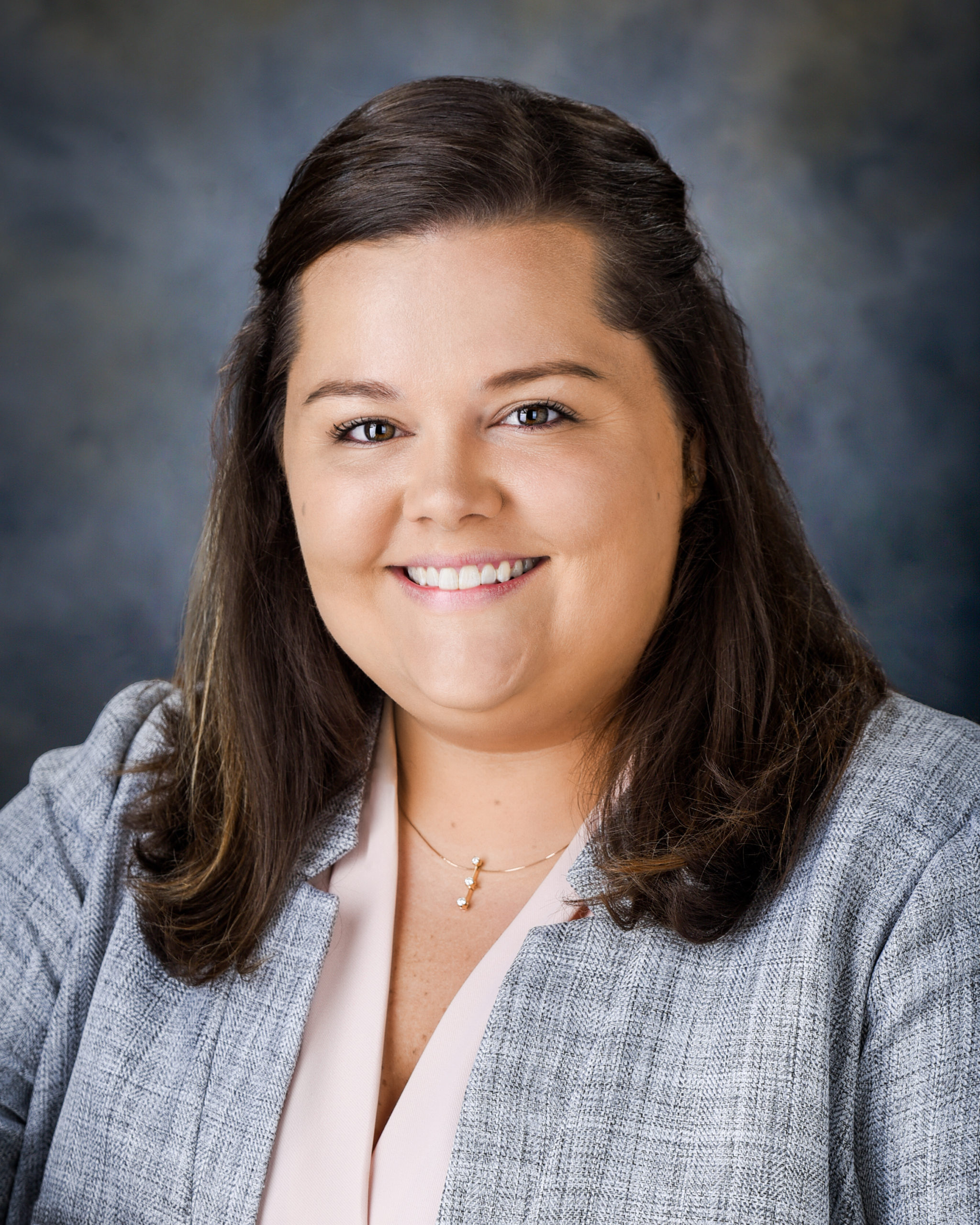
Managing Partner and Co-Founder, McIlveen Family Law Firm. Angela is a Board Certified Specialist in Family Law, certified by the North Carolina State Bar Board of Legal Specialization, and an experienced family law trial attorney who represents clients across North Carolina. She personally reviewed this page for legal accuracy.