
Gastonia divorce, custody and family law counsel
Gastonia Divorce Attorneys & Family Law Attorneys
Practical Guidance When Your Family and Future Are at Stake
Family-law problems create immediate pressure and long-term consequences. McIlveen Family Law Firm helps clients in Gastonia, Gaston County and surrounding communities understand their options, protect what matters and move forward with a clear legal strategy.
Schedule a ConsultationCall Gastonia: (704) 766-8946
Start with a free call to our intake team. No cost and no obligation. What to expect at your consultation
Gastonia Family Law Representation Built Around Your Goals
No two families, and no two cases, are alike. A sound legal strategy begins with careful listening, an honest assessment of risk and a practical understanding of what success means for you.
Our attorneys help clients resolve cases through negotiation, mediation and well-drafted agreements when possible. If a fair resolution cannot be reached, our litigation team is prepared for hearings and trial.
Our Gastonia office serves clients in Gaston County and nearby Alexander, Burke, Catawba, Cleveland, and Lincoln counties.
Downtown Gastonia office, near the courthouse
McIlveen Family Law Firm
174 S. South St.
Suite 301
Gastonia, NC 28052
In-person, telephone and virtual consultations are available.
How Our Gastonia Attorneys Can Help
Divorce and Separation
Advice on separation, absolute divorce, settlement options and contested court proceedings.
Child Custody
Strategy for parenting schedules, legal decision-making, relocation, enforcement and custody modification.
Child Support and Alimony
Analysis of income, expenses, earning capacity, support guidelines and longer-term financial exposure.
Property and Complex Assets
Equitable distribution involving homes, retirement accounts, investments, professional practices and businesses.
Mediation and Agreements
Negotiation, mediation, separation agreements and marital agreements focused on durable solutions.
Estate Planning and Probate
Wills, trusts, powers of attorney, advance directives, probate and estate-administration guidance.
Attorneys Serving Gastonia-Area Clients
Meet our Gastonia attorneys, who provide experienced family-law, mediation, estate-planning and probate counsel.
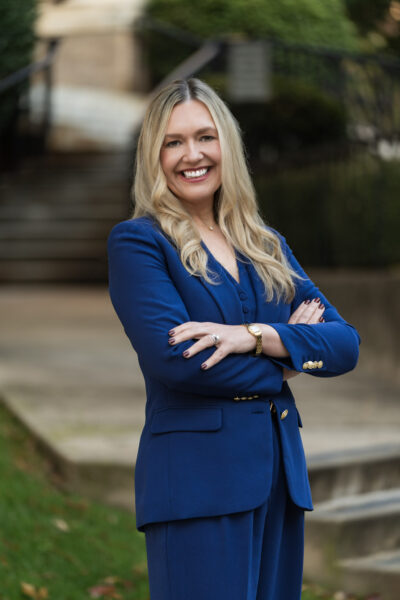
Angela McIlveen
CEO, Co-Founder & North Carolina Board Certified Specialist in Family Law
Experienced trial attorney focused on complex divorce, equitable distribution, alimony and high-asset financial matters.
Selected to North Carolina Super Lawyers, Family Law, 2025–2027
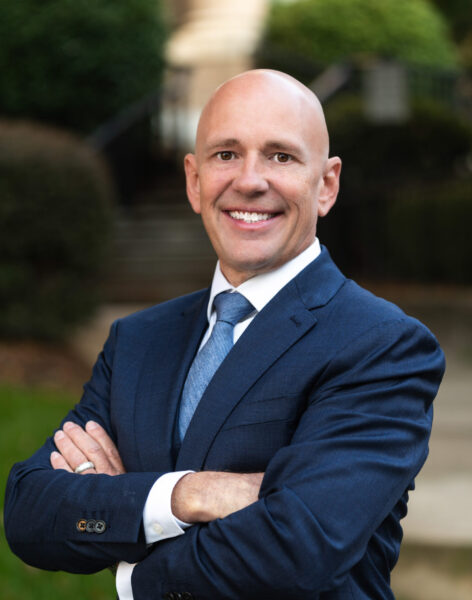
Sean McIlveen
Co-Founder & Partner Attorney, Certified Family Financial Mediator / Parent Coordinator
Experienced family-law attorney, Certified Family Financial Mediator and Parent Coordinator focused on practical resolution.
Selected to North Carolina Super Lawyers, Family Law, 2025–2027

Chelsi Jolly
Senior Associate Attorney
Seasoned family-law attorney handling custody, support, equitable distribution, domestic violence, divorce and mediation.
Selected to the North Carolina Super Lawyers Rising Stars list, 2025–2026
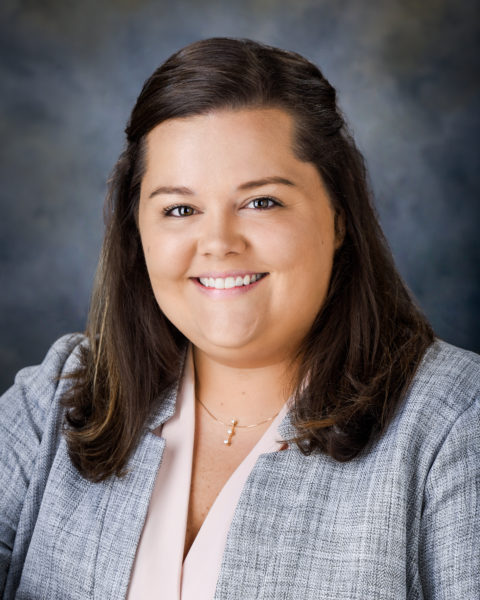
Jennifer Palmer
Senior Associate Attorney
Estate-planning and probate attorney helping families with wills, trusts, powers of attorney and estate administration.
Selected to the North Carolina Super Lawyers Rising Stars list, Estate Planning & Probate, 2026–2027
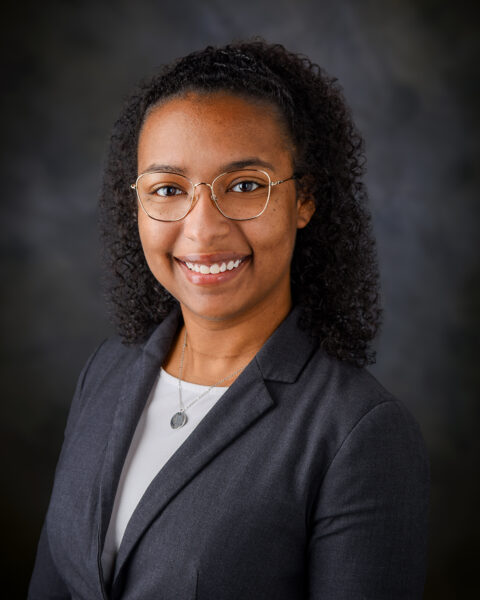
DaVon Maddox
Associate Attorney
Family-law advocate handling divorce, child custody, property division and domestic-violence matters.
Selected to the North Carolina Super Lawyers Rising Stars list, Family Law, 2026–2027
Why Clients Choose McIlveen
Our clients work with a coordinated legal team, not an attorney operating alone. Lawyers, paralegals and support professionals collaborate to keep cases moving, prepare thoroughly and focus on the results that matter to the client.
The attorney who handles your consultation is the attorney on your case. You will know every person on your team from day one, and an attorney directs all of the work. We return calls and emails within one business day; if your attorney is in court, your paralegal will respond.
Our Gastonia team includes a North Carolina Board Certified Specialist in Family Law and award-winning attorneys.
Specialist certifications are awarded by the North Carolina State Bar Board of Legal Specialization.
Gastonia is where McIlveen Family Law Firm began, and it remains our home office. Read our guide to choosing a divorce attorney for the questions we think you should ask any firm, including ours.
What Our Gastonia Clients Say
Rated 4.8 stars by Gastonia clients in 90+ Google reviews
“Chelsi is great! She is very mindful with handling my case. It is nice to have someone on my side making sure I don’t get taken advantage of.”
— Ian, former client
“We had a wonderful experience using Sean McIlveen for our custody case. He went out of his way to meet with us quickly and was very helpful, as was everyone in his office.”
— Katie, former client
“Davon Maddox is an outstanding family attorney. She was professional, knowledgeable, responsive, and genuinely cared about helping me through the process.”
— Client review, Avvo
Courts and Counties We Serve From Our Gastonia Office
Our Gastonia office sits a short walk from the Gaston County Courthouse, where most of our local clients’ cases are heard. Gaston County is Judicial District 38, and its domestic courtrooms handle divorce, custody, child support, alimony and equitable distribution for Gastonia, Belmont, Mount Holly, Cramerton, Dallas and Cherryville. We also appear regularly in the neighboring counties to the west and north.
| County | Where cases are heard | Notes |
|---|---|---|
| Gaston | Gaston County Courthouse, 325 Dr. Martin Luther King Jr. Way, Gastonia | District 38; custody mediation required before a contested custody trial |
| Lincoln | Lincoln County Courthouse, Lincolnton | District 39; Denver and Lake Norman west-shore families |
| Cleveland | Cleveland County Courthouse, Shelby | District 39; Shelby and Kings Mountain |
| Catawba and Burke | Newton and Morganton | District 25; Hickory-area clients |
| Alexander | Alexander County Courthouse, Taylorsville | Served from Gastonia by appointment |
| Mecklenburg | Mecklenburg County Courthouse, Charlotte | Handled jointly with our Charlotte office |
Court locations, hours and local rules for every county are published by the North Carolina Judicial Branch. Our NC Court Forms and NC Family Law Resources pages collect the forms and contacts our clients use most.
What to Expect in a Gaston County Family Law Case
Gaston County is a smaller court system than Charlotte’s, which often means faster hearing dates but also judges who know the local bar well. Here is how a typical case unfolds.
- Separation comes first. North Carolina requires one full year of living separate and apart before an absolute divorce can be filed. Custody, child support, alimony and property claims can be started during that year, and property and alimony claims must be filed before the divorce is granted or they are lost.
- Filing and service. A complaint is filed with the Gaston County Clerk of Superior Court and served by the Gaston County Sheriff, certified or registered mail with return receipt, or an authorized process server. If your spouse cannot be found, the court may allow service by publication. Your spouse has 30 days to respond.
- Custody mediation. Contested custody cases are referred to the district’s Custody Mediation Program for orientation and a mediation session, which must be completed before a custody trial. Temporary custody hearings can still be held in the meantime when a child’s situation cannot wait. Some parenting plans are resolved there; the rest proceed to a temporary hearing or trial.
- Financial disclosure. Equitable distribution claims follow a scheduling order with deadlines for inventory affidavits, mediation and, if needed, trial.
- Each claim is its own case. Custody, child support, alimony and equitable distribution are separate claims. Each can have a temporary hearing early on (temporary custody, temporary child support, post-separation support, interim distribution) and, if it is not resolved, its own trial. It is common for one claim to be tried while another settles.
- Expect at least one hearing. Most clients hire us because they know their case is headed to court, and most Gaston County cases involve at least one hearing. Claims do get resolved along the way, but rarely all of them at once without a judge involved. We prepare every claim as if it will be tried in District 38 and negotiate from that position.
Tools and Resources for Gaston County Families
- Gastonia area family court resources: courthouse contacts, custody mediation, child support and domestic violence help in Gaston County.
- North Carolina Child Support Calculator: estimate support under the current guidelines using Worksheets A, B and C.
- Alimony Calculator: a starting point for understanding how income, expenses and the length of the marriage shape a spousal support claim.
- High Net Worth Divorce: business interests, real estate and retirement assets that need careful valuation and division.
- NC Court Forms and NC Family Law Resources.
- Our family law blog, updated by our attorneys.
- Estate planning: wills, trusts and powers of attorney, often updated alongside a separation or divorce.
Gastonia Divorce and Child Custody FAQs
What are the requirements for an absolute divorce in North Carolina?
Most divorces are based on the spouses living separate and apart for at least one year, with at least one spouse intending the separation to be permanent. At least one spouse generally must have lived in North Carolina for six months before filing.
Where are Gaston County family-law cases filed?
Cases are generally filed through the Gaston County court system. The correct location and procedure depend on the case type, existing orders and the parties’ circumstances.
How quickly can I get divorced in Gaston County?
Timing depends on completion of the required separation period, proper service, court scheduling and whether the divorce or related claims are contested.
Does an affair automatically determine the outcome of a divorce?
Marital misconduct may be relevant to certain claims, including some alimony issues, but it does not automatically decide custody, property division or every financial question.
How does a Gaston County court decide child custody?
Custody decisions are based on the child’s best interests. Courts may consider caregiving history, stability, safety, each parent’s circumstances, the child’s needs and other relevant evidence.
Can an existing custody order be changed?
A custody order may be modified when the legal requirements are met, generally involving a substantial change in circumstances affecting the child’s welfare.
Can my child choose where to live?
A mature child’s preference may be considered, but the child does not make the final decision. The judge weighs that preference with all other best-interest factors.
When should I contact a Gastonia family-law attorney?
Early advice can protect deadlines, evidence, financial claims and parenting decisions. Consider getting advice before signing an agreement, relocating with a child, transferring property or filing a case.
Does the Gastonia office also help with estate planning?
Yes. We assist North Carolina clients with wills, trusts, powers of attorney, advance directives, probate and estate administration. Visit our estate-planning center.
How do I serve my spouse in Gaston County?
After filing, your spouse must receive formal notice of the case. The usual methods are service by the Gaston County Sheriff, certified or registered mail with return receipt, or a designated process server. If your spouse cannot be located after a diligent search, the court may permit service by publication in a qualified newspaper. Your spouse then has 30 days to file an answer.
How long do I have to wait before a divorce can be granted?
You must live separate and apart for one full year before filing for absolute divorce. After filing and service, your spouse has 30 days to respond; an uncontested divorce is usually entered within 60 to 90 days after that. There is no way to shorten the one-year separation, but every other issue in your case can be resolved during it.
What is child custody, legally speaking?
Custody has two parts. Legal custody is the right to make major decisions about a child’s education, health care and religion. Physical custody is where the child lives and the schedule of time with each parent. Either can be joint or primary, and a Gaston County order will address both.
Do Gaston County judges prefer mothers over fathers?
No. North Carolina law does not presume that either parent is the better custodian, and Gaston County judges apply the best-interests standard to both parents equally. The evidence that matters is each parent’s caregiving history, stability, ability to cooperate and the child’s needs.
Do I need a family law attorney in Gastonia, or can I handle it myself?
An uncontested absolute divorce with no property, support or custody issues can sometimes be handled with the court’s self-help forms. If children, a home, retirement accounts, a business or alimony are involved, the decisions you make in the first weeks of separation can be permanent. A consultation is the safest way to find out which situation you are in.
Is the first call free?
Yes. Your first call is with our intake team and costs nothing. They are not attorneys, so they can’t advise you on your case, but they will make sure we handle your type of matter in your area and answer questions about how we work. If you decide to move forward, they’ll schedule a paid consultation with one of our attorneys, in person, by phone or by Zoom.
Talk With a Gastonia Family Law Attorney
Tell us what is happening and what you need to protect. Our team will help you understand the available next steps.
Request a ConsultationCall (704) 766-8946
Call our Gastonia office for a free conversation with our intake team. They’ll confirm we can help with your matter and schedule your consultation with a Gastonia attorney. Attorney consultations are billed at the attorney’s hourly rate for one hour. Our attorneys’ rates range from $320 to $600.

Managing Partner and Co-Founder, McIlveen Family Law Firm. Angela is a Board Certified Specialist in Family Law, certified by the North Carolina State Bar Board of Legal Specialization, and an experienced family law trial attorney who represents clients across North Carolina. She personally reviewed this page for legal accuracy.