
Valid and Invalid Marriage in North Carolina
Not every ceremony creates a legally valid marriage. Here’s what North Carolina requires, and what can make a marriage void or voidable.
What North Carolina Requires for a Valid Marriage
To marry validly in North Carolina, both parties must be of legal age (or have proper consent or court authorization if a minor), mentally capable of consenting, not already married to someone else, and not too closely related. Couples must also obtain a marriage license and have the ceremony performed by someone legally authorized to solemnize marriages.
Void vs. Voidable Marriages
Void marriages
- Bigamous marriages (one party still married to someone else)
- Marriages between close relatives
- Never legally valid, from the start
Voidable marriages
- Underage marriage without proper consent
- Fraud, duress, or lack of mental capacity
- Valid unless and until annulled
How to Enter a Valid Marriage in North Carolina
Chapter 51 of the General Statutes sets out who may marry and how. A valid North Carolina marriage has three parts: two people who are legally able to marry each other, a marriage license, and a ceremony before an authorized officiant with the license returned to the Register of Deeds.
- Capacity of the parties. Both must be at least 18, or 16 or 17 with a parent’s written consent or a court order and a partner no more than four years older. Both must be mentally capable of understanding the marriage contract. Neither may be currently married to anyone else. They may not be nearer of kin than first cousins, and double first cousins may not marry.
- The license. Both parties apply in person to the Register of Deeds in any North Carolina county; the license is valid statewide for 60 days. Bring photo identification, Social Security numbers, and proof of divorce if either was previously married. The fee is $60. No blood test or waiting period is required. A party who cannot appear may complete a notarized affidavit in limited circumstances.
- The ceremony. The marriage must be solemnized by an ordained minister of any religious denomination, a minister authorized by a church, a magistrate, or in accordance with the customs of a federally or state recognized Indian tribe, in the presence of at least two witnesses. The parties must declare in the officiant’s presence that they take each other as spouses. Online ordination is accepted in practice, but the officiant’s authority is occasionally litigated when a marriage is later challenged.
- Return of the license. The officiant completes the license and returns it to the issuing Register of Deeds within ten days. The Register records it and issues certified copies of the marriage certificate, which you will need for name changes and benefits.
Common-law marriage
North Carolina does not recognize common-law marriage. A couple can live together for forty years, share children, property and a last name, and still not be married under North Carolina law, which means no equitable distribution, no alimony and no spousal inheritance rights when the relationship ends. North Carolina does, however, recognize a common-law marriage that was validly formed in a state that permits them, such as Texas, Colorado or South Carolina before 2019, if the couple met that state’s requirements while living there. Couples who are not married and want legal protection should consider a cohabitation agreement.
What Happens When a Requirement Is Missed
Not every defect has the same effect. North Carolina courts distinguish between defects that make a marriage void, defects that make it voidable, and technical irregularities that do not affect validity at all.
- Void: bigamy. A marriage entered while either party is still married to someone else is a nullity from the start. It cannot be ratified, it can be challenged by anyone at any time, and the parties are free to marry others without a court judgment, although obtaining a declaration of nullity is strongly advised. If the earlier marriage is later ended, the second couple must marry again to be validly married.
- Voidable: kinship, underage, impotence, incapacity, fraud, duress. These marriages are valid until a court annuls them, and only the parties may challenge them. They can be ratified by continuing to live together after the defect is known. See annulment in North Carolina for the grounds and process.
- Irregularities that do not invalidate. A marriage without a license, or with a license that was never returned, is still a valid marriage in North Carolina if it was solemnized before an authorized officiant; the officiant and the parties may face a small penalty, but the marriage stands. Likewise, a ceremony performed by someone who turned out not to be authorized is generally upheld where the parties believed in good faith that the officiant was qualified.
Marriages from other states and countries
North Carolina recognizes a marriage that was valid where it was performed, including marriages abroad, unless recognizing it would violate a strong public policy of the state, such as bigamy or a marriage between close relatives. Same-sex marriages have been valid in North Carolina since October 2014 and nationwide since June 2015. A foreign marriage certificate may need a certified translation for use here. Immigration status has no bearing on whether a marriage is valid under state law, although it can affect the couple in other ways; see green cards, marriage and divorce.
Is Same-Sex Marriage Legal in North Carolina?
Same-sex couples marry in North Carolina on the same terms as anyone else, and every rule on this page applies to them without change. That has been true since October 10, 2014, when a federal court in General Synod of the United Church of Christ v. Cooper struck down the state’s ban, and it became the law of every state on June 26, 2015, when the U.S. Supreme Court decided Obergefell v. Hodges. In 2012 North Carolina voters had added Amendment One to the state constitution, limiting marriage to one man and one woman and barring recognition of same-sex marriages from other states. That amendment is unenforceable. Congress added a further layer in the Respect for Marriage Act of 2022, which requires every state to recognize a marriage that was valid where it was performed regardless of the couple’s sex.
Family law applies the same way
Divorce, separation, equitable distribution, alimony, custody, child support, domestic violence protective orders, and inheritance all work identically for same-sex spouses. The one-year separation requirement, the marital property definitions, the alimony factors, and the best-interest custody standard are the same. Adoption by same-sex spouses, including stepparent adoption, is available on the same terms as for any married couple.
Marriage dates and property
Where the law can produce a different result is the date of marriage. Equitable distribution counts property acquired between the date of marriage and the date of separation, and alimony weighs the length of the marriage. A couple who lived together for fifteen years and married in 2014 has a marriage the law measures from 2014, and property acquired during the earlier years is separate unless it was jointly titled or the couple has an agreement. Couples who married in another state before 2014 are treated as married from that earlier date, because North Carolina now recognizes those marriages retroactively. Couples with long pre-marriage histories should think about a prenuptial or postnuptial agreement that credits the earlier years.
Parentage
A child born to a married woman is presumed to be the child of her spouse, and that presumption applies to a same-sex spouse. Even so, a presumption can be rebutted, and it may not be recognized everywhere the family travels or moves. Same-sex parents who are not both biological parents are routinely advised to complete a stepparent or second-parent adoption, or to obtain a court order of parentage, so that both parents have a judgment every state must honor.
Valid Marriage FAQs
Is same-sex marriage recognized in North Carolina?
Yes. Same-sex marriage has been legal nationwide since the U.S. Supreme Court’s 2015 Obergefell decision, and North Carolina recognizes these marriages the same as any other.
What’s the difference between void and voidable?
A void marriage was never legally valid at all. A voidable marriage is valid unless a court annuls it based on a specific legal defect.
Can we fix a marriage that wasn’t properly licensed?
In some cases, defects can be corrected, but it’s important to speak with an attorney to understand your specific situation.
Do you need witnesses to get married in North Carolina?
Yes. The statute requires the marriage to be solemnized in the presence of at least two witnesses, in addition to the officiant. The witnesses sign the license.
How long is a North Carolina marriage license good for?
Sixty days from issuance. If the ceremony does not happen within that time, you must apply for a new license and pay the fee again.
Can we get married by a friend who was ordained online?
In practice, yes; Registers of Deeds accept licenses returned by ministers ordained through online churches, and courts have upheld such marriages. Because the officiant’s authority is one of the few points on which a marriage can later be attacked, some couples have a magistrate perform a brief civil ceremony as well.
We never returned the license. Are we married?
If an authorized officiant performed the ceremony, yes. Failure to return the license is a technical irregularity that does not affect validity, although you should have the officiant complete and file it now so a certificate can be issued.
Is a marriage valid if one spouse was still married to someone else?
No. It is void from the beginning. If the earlier marriage has since ended by divorce or death, you must go through a new ceremony to be married; the passage of time does not cure a bigamous marriage.
Does living together for seven years make us married?
No. North Carolina has never recognized common-law marriage, and there is no length of cohabitation that creates one. If you formed a common-law marriage in another state that allows it before moving here, North Carolina will recognize that marriage.
Are the license rules the same in every North Carolina county?
The law is the same statewide, but the process varies by county. Some Registers of Deeds let you start the application online, some require both of you to appear in person, and some require an appointment. Check with the Register of Deeds in the county where you plan to apply before you go, and do not leave it for the week of the wedding. The license is good for 60 days, so applying three to four weeks out leaves room for a hiccup.
We want a friend to officiate. Is there a safer option?
A friend who is properly ordained can perform the ceremony. If you are unsure whether their ordination will hold up, one common approach is to be married by a magistrate at the courthouse beforehand and then have your friend lead the ceremony you and your guests will remember. The magistrate’s ceremony is the legal one, and your friend’s is the celebration.
Does North Carolina treat same-sex couples differently in a divorce?
No. The grounds, the one-year separation, equitable distribution, alimony, custody, and child support are all applied the same way. The only practical difference tends to be the date of marriage for couples who lived together long before they were allowed to marry, which affects what counts as marital property and how long the marriage is treated as lasting.
Should same-sex couples consider a prenuptial agreement?
For the same reasons any couple would, and for one more. Couples who built a life together before 2014 often own property and businesses acquired before the legal marriage date. A prenup or postnup can treat those years as part of the marriage, or keep the property separate, whichever the couple intends, instead of leaving it to the default rules.
Is same-sex marriage legal in North Carolina?
Yes. Same-sex couples have been able to marry in North Carolina since October 2014, when federal courts struck down the state’s ban, and the United States Supreme Court’s 2015 decision in Obergefell v. Hodges made marriage equality the law nationwide. The federal Respect for Marriage Act of 2022 adds a further guarantee that valid marriages are recognized across state lines. Same-sex spouses in North Carolina have the same rights and obligations in divorce, custody, alimony, property division and inheritance as any other married couple.
Related Reading
Questions About Your Marriage’s Validity?
Let’s talk through your specific situation and what your options are.
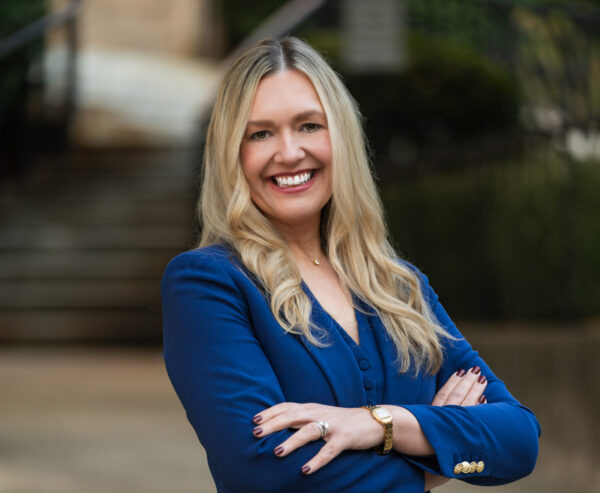
Managing Partner and Co-Founder, McIlveen Family Law Firm. Angela is a Board Certified Specialist in Family Law, certified by the North Carolina State Bar Board of Legal Specialization, and an experienced family law trial attorney who represents clients across North Carolina. She personally reviewed this page for legal accuracy.